
Aesthetic Dentistry
Aesthetic dentistry considers tooth colour, shape and the relationship with the gums alongside oral health and function.
Are you unhappy with your smile?
Do you feel you have to cover your mouth when you smile?
Does the shape or colour of your teeth bother you?
Today, these problems are a thing of the past. Advances in technology make it quite easy to achieve a flawless smile.
Remember that your smile has an important place in your life. It can leave a positive impression at a job interview, convey your sincerity to the person in front of you and even help you begin wonderful relationships with a beautiful smile. Every smile has a meaning of its own.
Renewing the appearance of your smile is now very simple. If your teeth are well aligned and you are only unhappy with their colour, a simple whitening procedure will be sufficient. Adjustments to the appearance of the gums can now be carried out using extremely painless and comfortable methods. For more complex tooth structures that cannot be addressed by these methods, technologically advanced porcelain veneers can give you a striking appearance and an impressive smile, leaving you feeling renewed.
Aesthetic appearance and oral health have become much more important than in the past. Irregularities in tooth shape and colour can, over time, lead to problems extending to psychological difficulties. Teeth are the most important element in completing facial aesthetics.
Developments in dentistry and restorative materials make it possible to address many irregularities in colour, shape and position easily. However, the appearance of teeth can also deteriorate with age. As people age, teeth become darker, lip muscle tone decreases and the lips move downwards under the effect of gravity, while wear makes the teeth shorter. This may result in an unhappy smile in which the teeth are hidden and the mouth appears sunken. Correcting this is the role of aesthetic dentistry. Professionally planned tooth design suited to your age, facial features and social circumstances will change not only your smile but your entire life.
In the past, we relied solely on thick, metal-supported porcelain crowns to achieve an aesthetic smile, and reproducing a natural appearance was quite difficult. Today, technological advances have introduced many new materials to dentistry.
Monolithic zirconia
Today, single-piece aesthetic monolithic zirconia restorations that do not require a porcelain layer are preferred. Their advantages include an absence of colour change over time and, most importantly, an absence of porcelain fracture.
Zirconia with a porcelain layer
Aluminium oxide
Empress
These metal-free materials, which are thinner, more translucent and more durable than conventional porcelain, make it possible to create teeth that reproduce a natural appearance perfectly.
Digital Smile Design (DSD)
Digital Smile Design is a digital planning approach for aesthetic and restorative procedures, rather than a treatment in itself.
Explore Details → Illustrative image.
Porcelain Veneers
Porcelain veneers are thin restorations bonded to the visible surfaces of teeth, most commonly at the front of the mouth.
Explore Details →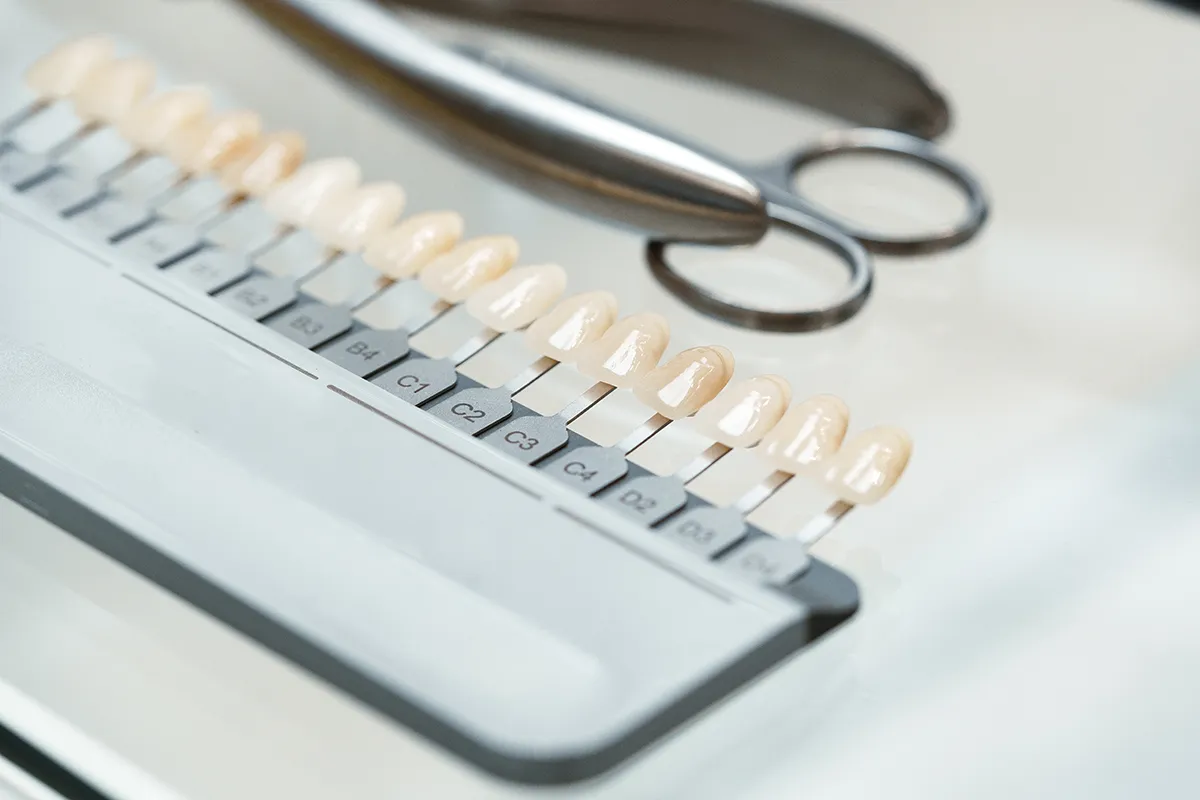 Illustrative image.
Teeth Whitening
Teeth whitening is a procedure used to lighten certain types of discolouration in natural teeth.
Explore Details →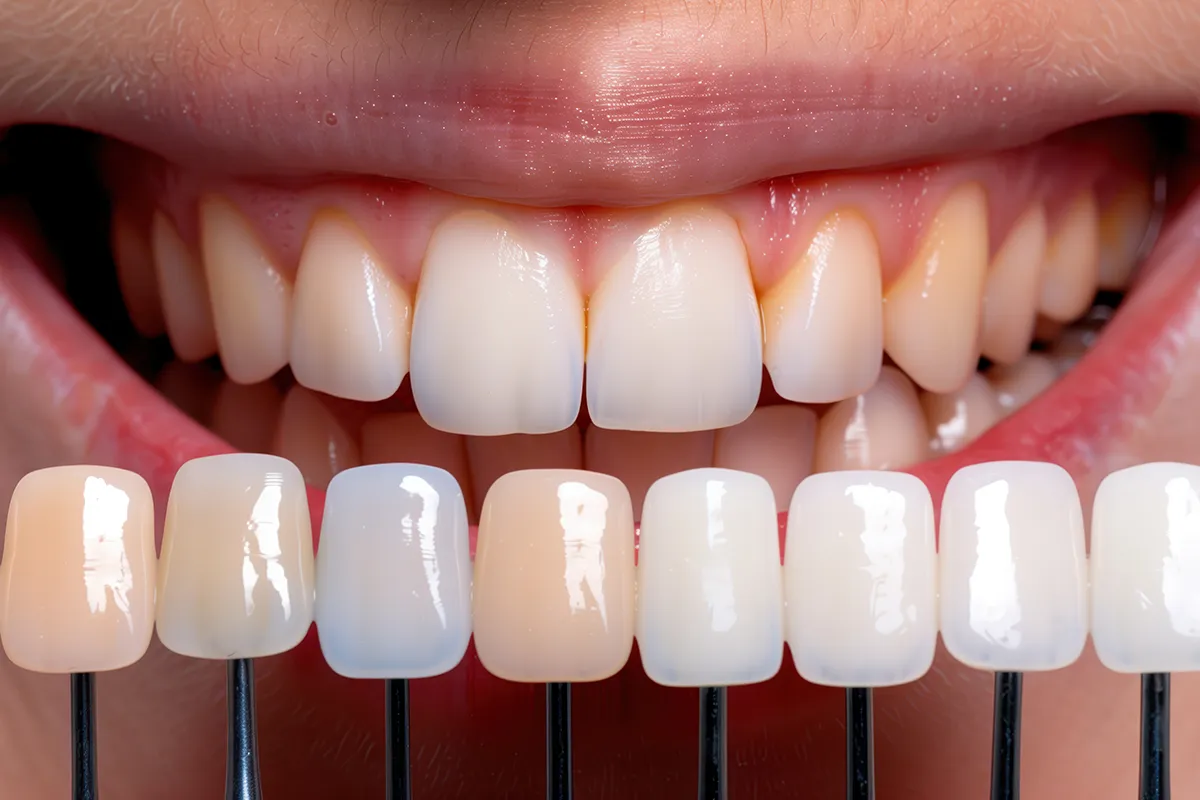 Illustrative image.
Gum Aesthetics
Gum aesthetics involves assessing the amount of gum visible when smiling and the gum levels around the teeth.
Explore Details →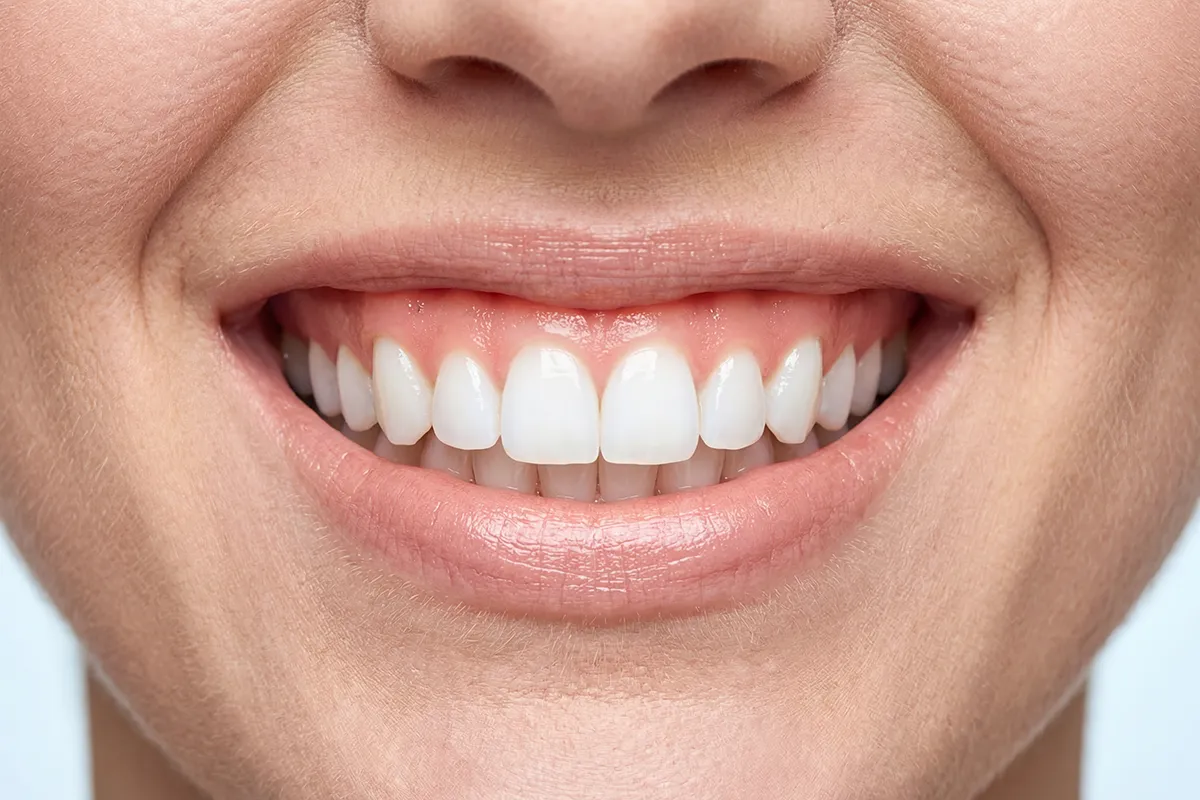 Illustrative image.
Composite Fillings (Tooth-Coloured Fillings)
Composite fillings replace lost tooth tissue using tooth-coloured restorative materials.
Explore Details →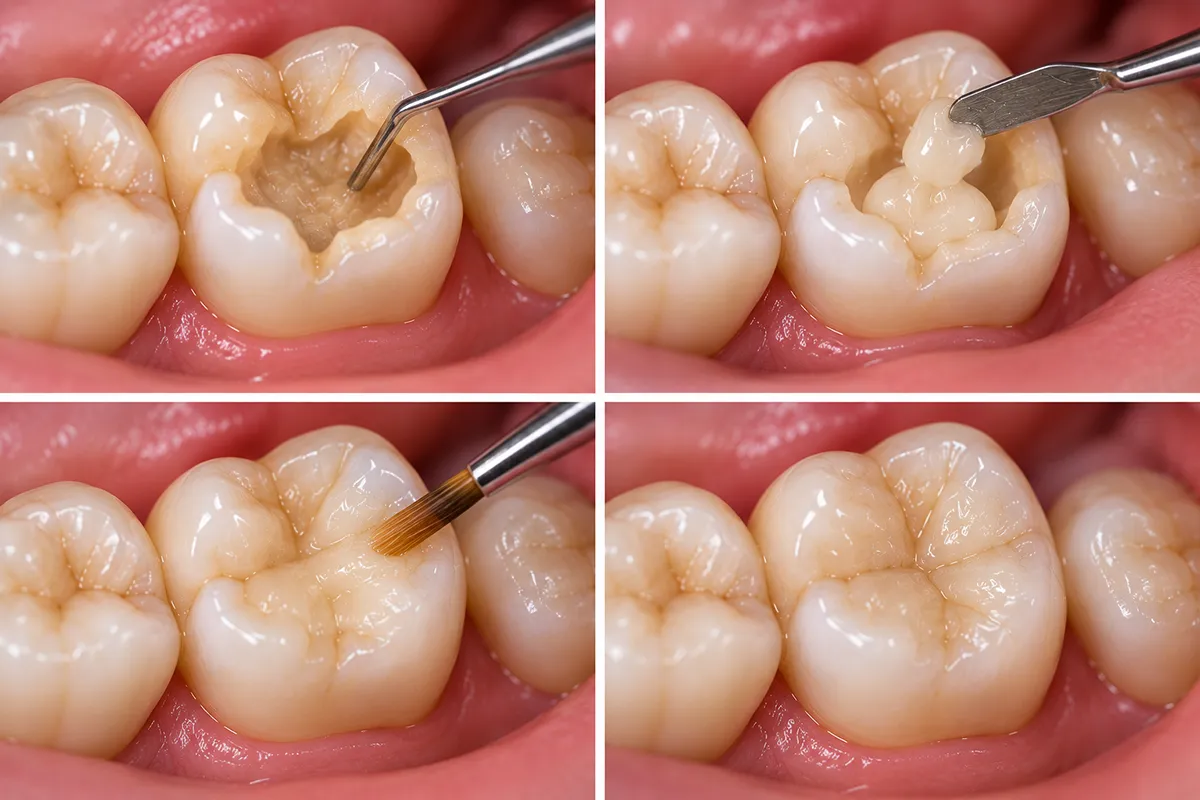 Illustrative image.
CAD/CAM
CAD/CAM is a digital dentistry workflow that uses computer-aided design and manufacturing to produce dental restorations.
Explore Details →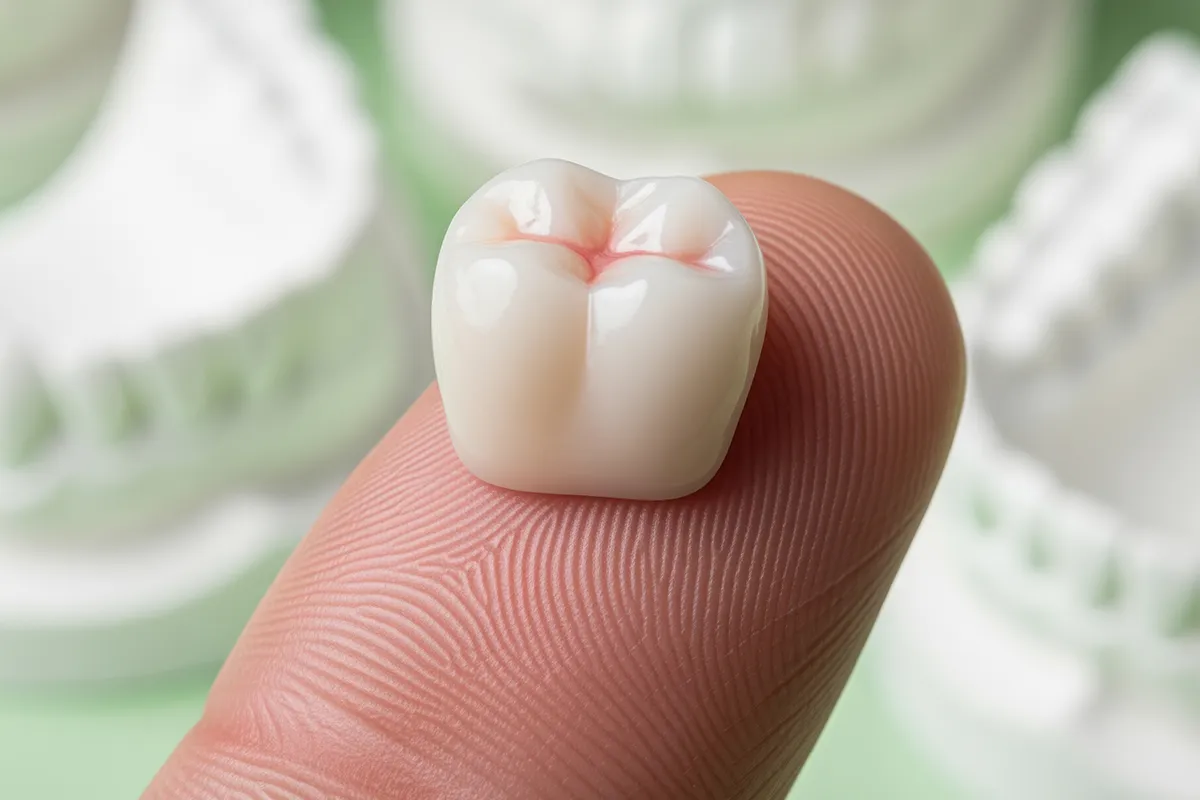 Illustrative image.