
Bruxism and Snoring
Bruxism and snoring require different assessments. The pages below explain teeth clenching and grinding, and oral appliances for snoring.
Bruxism and snoring are separate conditions with different causes and assessment pathways. Bruxism refers to jaw-muscle activity associated with clenching or grinding. Snoring is sound produced by airflow through the airway during sleep. They may occur together, but neither establishes the diagnosis of the other.
Tooth wear, morning jaw fatigue or discomfort in chewing muscles calls for assessment of the mouth and jaw system. Snoring accompanied by pauses in breathing during sleep, waking with a choking sensation or pronounced daytime sleepiness requires medical assessment for sleep apnoea. Expectations of a solution through an oral appliance alone should not be created without making this distinction.
Appliances to protect teeth and management of contributing factors may be considered for bruxism. Different oral appliances may be used in suitable cases of snoring or sleep apnoea. Their purposes and follow-up arrangements differ. The method is selected individually after the relevant assessments.
Bruxism (Teeth Clenching and Grinding)
Bruxism involves teeth clenching, grinding or repetitive jaw-muscle activity during sleep or while awake.
Explore Details → Illustrative image.
Oral Appliances for Snoring
Custom-made oral appliances aim to help keep the upper airway open during sleep by adjusting the position of the lower jaw.
Explore Details →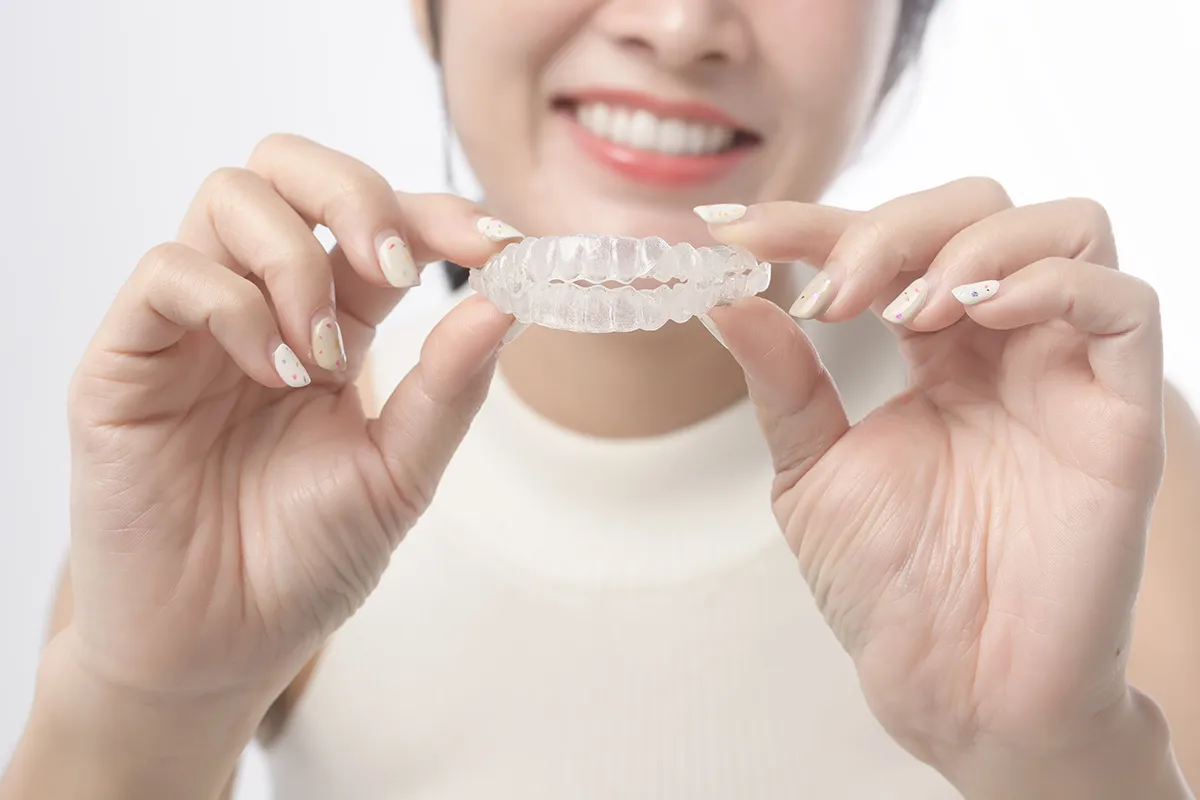 Illustrative image.